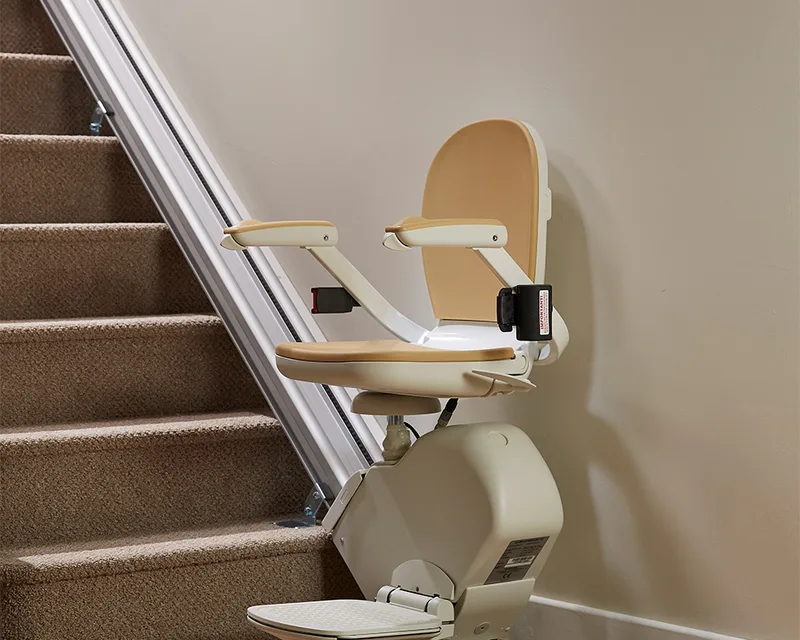
Use the Peoria location without assuming every product is on display
Serene Mobility’s current site lists a Peoria location and a fixed-stairlift catalogue. Before traveling, ask which model can be tried and whether the visit is a demonstration, a sales discussion or both. Explain the features that matter to the rider, such as reaching the controls or leaving the seat at the landing. Confirm who will measure the home and sign the installation agreement. A shop’s published product range establishes an enquiry route; it does not reserve the required rail or confirm an appointment.
Power Mobility’s service territory also names Peoria, with its showroom in Chandler. 101 Mobility lists Peoria service from its Phoenix operation. If a regional visit would be difficult, ask what can be covered in an initial home consultation. Use the same description of the staircase for every enquiry, including turns, intermediate landings and nearby doors. This helps the family compare proposals without unintentionally pricing different journeys. Keep any preliminary figure labeled as provisional until the assessor has checked the property and the rider’s requirements.
Serene Mobility & Lifts · Power Mobility & Lifts · 101 Mobility of PhoenixMake repair coverage part of the installation decision
For a new lift, ask the seller to identify the organization responsible for installation and the contact for a fault afterward. Request the written distinction between manufacturer parts cover, installer labor and travel charges. A regional service area does not itself promise a response time or free callout. Ask how appointments are prioritized, whether routine maintenance is required by the agreement and what records the household should keep. Have any essential powered functions identified by model so later service discussions refer to the actual installed equipment.
If the Peoria home already has a lift, provide its make, model and a description of the problem before booking. Ask whether parts and technical support are available for that particular unit. Price the diagnostic visit separately from a replacement proposal. If replacement is recommended, request the reason and a clear statement of what happens to the existing chair, rail and fixings. Establish which finishing work, if any, is excluded. Do not assume a business that sells a brand will repair every older model or equipment fitted by another installer.
Power Mobility & Lifts · 101 Mobility of PhoenixCompare temporary use, purchased equipment and later removal
Power Mobility publishes straight-stair rental options; 101 Mobility’s Phoenix material also describes rentals and a straight-lift buyback program. Ask each business for the actual agreement applicable to the Peoria address. Specify the expected period of use, but request an example that includes a possible extension. Have installation, recurring payments, minimum term, maintenance and removal listed together. Confirm when billing stops if the household no longer needs the chair before the collection appointment can be arranged.
For a purchase alternative, ask about the equipment condition and the warranty that applies to the offered unit. If a buyback is part of the discussion, request its qualifying conditions and whether removal charges reduce the amount received. Do not treat an advertised program as a fixed resale value for every installation. For a staircase with turns, ask how the actual rail arrangement changes the temporary-use proposal. The practical ride, landing access and any transfers should be understood before the family compares the total financial commitments.
Power Mobility & Lifts · 101 Mobility of PhoenixSeparate Peoria emergency repairs from an accessibility application
Habitat for Humanity Central Arizona describes an emergency-repair partnership with the City of Peoria. The regional Community Resource Guide identifies the route for income-qualified Peoria homeowners. Those facts provide a useful contact, but they do not establish that a stairlift is an eligible repair or that funds are immediately available. Give the administrator the property address and a precise description of the work. Ask which documents are needed, whether the proposed project is within scope and what must happen before hiring a contractor.
Ability360 provides a different route for discussing home-accessibility modifications. Ask whether the household and proposed work fit a current program, rather than assuming that qualification for emergency repair carries over. If more than one organization is involved, clarify who assesses the barrier, approves the work and pays the contractor. Keep copies of the approved scope and any conditions. Use current instructions from the administrator instead of an old brochure’s figures, and keep the commercial equipment order on hold until any assistance-dependent steps are resolved.
Habitat Central Arizona: emergency home repair ↗Regional Community Resource Guide ↗Ability360: home modifications ↗